The Living corridor
a thousand mile mosaic of hope
Connecting grassroots leaders, indigenous knowledge, and ecological farms from Guatemala to Oregon to rebuild food sovereignty and heal our planet.
The Challenge
Right now, our communities and our planet are facing a profound crossroads. Across Central America and the Pacific Crest, rising temperatures, intense droughts, and the skyrocketing costs of chemical agriculture are pushing smallholder farmers to the brink. More than 10 million people now live in the “Central American Dry Corridor,” where 73% live in poverty and thousands are forced to migrate just to survive. Industrial agriculture and widespread deforestation have turned this region into a source of crisis—driving rapid biodiversity loss, heavy carbon emissions, and severe water contamination.
The Solution
But there is another path forward. By weaving together the wisdom of indigenous traditions with the science of restoration agroecology, we are building a 1,000-mile living shield against climate collapse. The Living Corridor is a transnational mosaic of ecological community farms, linked across borders to rebuild food sovereignty, restore degraded landscapes, and secure vital water access. Nature-based solutions like agroecology have the power to contribute over one-third of the total global climate mitigation needed by 2030. We aren’t just planting trees; we are cultivating a durable network of solidarity and healing where both humanity and the planet can thrive.
The Regional Hubs: Spokes in a Wheel
Three Anchors. Infinite Impact.
The Revive Initiative: Sumpango, Guatemala
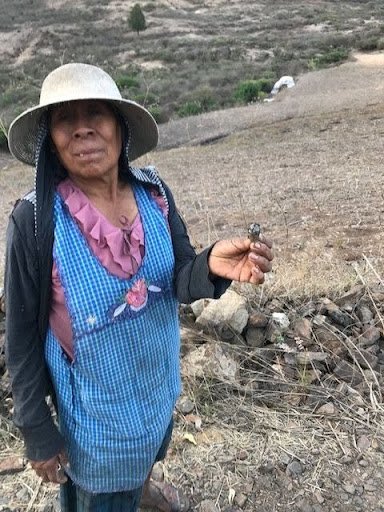
Mujeres Floreciendo en Otoño: Oaxaca, Mexico